Introduction:
Rodent infestations have long been a recurring challenge for farmers. These pesky creatures, including rats and mice, can wreak havoc on agricultural operations, leading to substantial economic losses and posing potential health risks. This article aims to shed light on the issues associated with rodents on farms, the reasons behind their increase, and the strategies employed to combat these unwelcome intruders.
The Impact of Rodents on Farms:
 Rodents pose a multitude of problems for farmers, particularly in the areas of crop production, livestock management, and overall farm hygiene. Firstly, rats and mice are notorious for damaging crops by gnawing on plant roots, stems, and seeds. This not only reduces crop yields but also compromises the quality of produce, rendering it unsuitable for the market.
Furthermore, rodents are known carriers of various diseases, including leptospirosis, salmonellosis, and hantavirus. These diseases can be transmitted to both livestock and humans, jeopardizing the health and well-being of farm animals as well as farmers and workers. Contaminated feed and water sources can further exacerbate the risk of disease transmission, leading to severe consequences for the entire farm ecosystem.
Reasons for Rodent Increase:
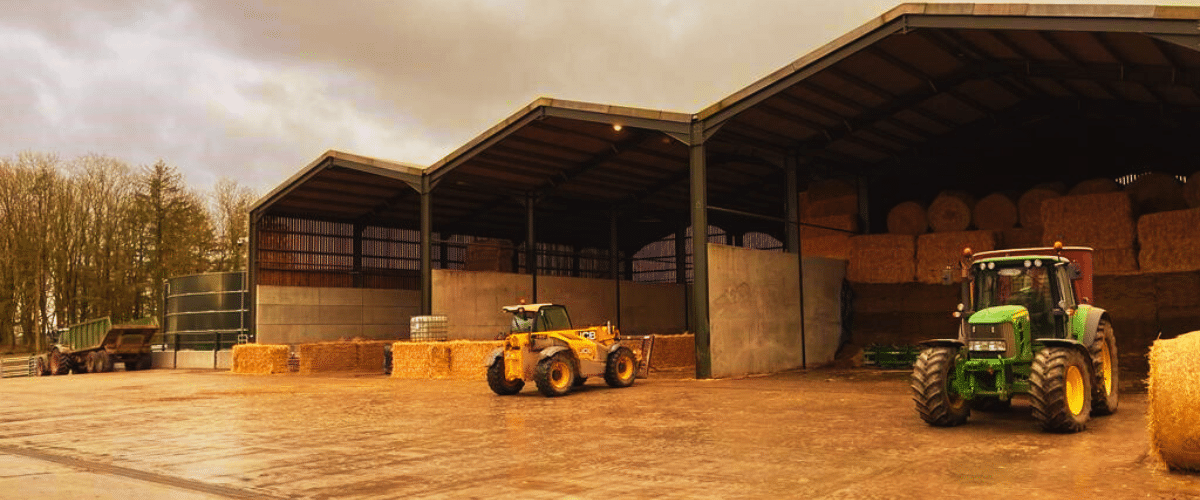
Several factors contribute to the increase of rodents on farms. Firstly, agricultural practices such as the presence of food sources, such as stored grain, livestock feed, and fallen fruits, provide an ideal environment for rodents to thrive. Additionally, the abundance of shelter options, including haystacks, abandoned buildings, and dense vegetation, offers rodents safe hiding places and breeding grounds.
Furthermore, changing weather patterns and seasonal variations can influence rodent behaviour. Mild winters, for instance, allow rodents to reproduce year-round, resulting in larger populations and increased infestation rates. Climate change-induced fluctuations can disrupt the natural predator-prey balance, enabling rodents to expand their territories and further infiltrate agricultural settings.
Strategies to Combat Rodent Infestations:
 Controlling rodent populations requires an integrated approach that combines preventive measures, monitoring, and effective eradication methods. Here are some strategies employed by farmers:
- Farm Hygiene: Maintaining clean and tidy farm premises is crucial in reducing potential food and shelter sources for rodents. Regular removal of waste, proper storage of feed, and eliminating debris can significantly deter infestations.
- Exclusion Measures: Implementing physical barriers, such as wire mesh fencing and rodent-proof structures, can prevent rodents from gaining access to crops, livestock areas, and storage facilities.
- Trapping and Baiting: Traditional methods such as traps and bait stations are commonly employed to capture and eliminate rodents. It is essential to use approved and safe baits, while regularly monitoring and repositioning traps for optimal effectiveness.
- Biological Controls: Some farmers opt for introducing natural predators, such as barn owls and cats, to control rodent populations. These eco-friendly measures can help maintain a balanced ecosystem without relying solely on chemical interventions.
- Chemical Control: In severe infestations, farmers may resort to rodenticides. However, it is crucial to use these products responsibly and in accordance with legal requirements to minimise the risks associated with secondary poisoning and environmental contamination.
Conclusion:
 Rodent infestations continue to be a significant challenge for farmers, jeopardising crop yields, livestock health, and overall farm profitability. Recognising the impact of rodents and implementing proactive measures are essential to mitigating these issues. By adopting integrated pest management strategies, maintaining proper farm hygiene, and employing a combination of exclusion, trapping, and chemical control methods, farmers can effectively combat rodent infestations and protect their livelihoods from these persistent pests.
Take a look at our tailored made course for you and your farm
View our extensive range of professional pest control products
If you would like more information, please get in touch today
Call: – 07716 467 460
Office: – 01423 358 533
Email – office@agripestmanagement.co.uk